The Push vs. The Pull.
Most safety programs operate in a single direction: pushing safety culture out through toolbox talks, compliance lectures, and policy manuals. What organizations rarely get is the pull-in: an honest read on how workers actually describe hazards and risks in their own words before an incident forces the question.
The Safety Lexicon is made for the pull.
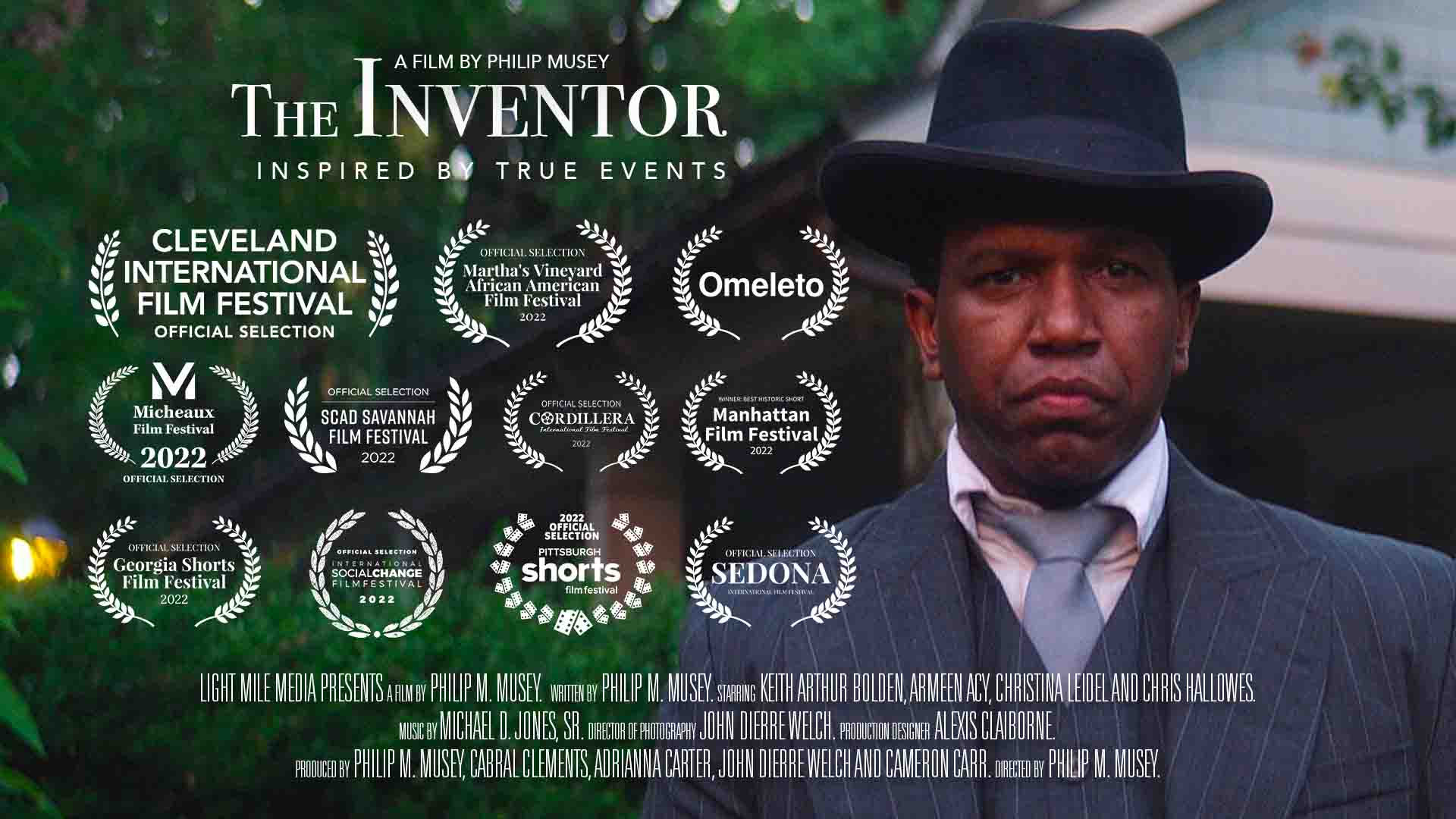
Cleveland, 1916. Four miles out and some two-hundred feet underneath Lake Erie, crews hand-digging a water tunnel accidentally triggered a natural gas explosion, killing eleven men instantly. Two rescue parties entered the toxic tunnel without the proper respiratory protection. Ten of the eighteen rescuers died before the rescue efforts were called off.
Two years earlier, independent inventor Garrett Morgan patented a working safety hood that drew breathable air from floor level. Municipal officials praised the concept over the phone, but dismissed the device in person once they realized Morgan lacked traditional engineering credentials. In the early hours of the morning, after official channels surrendered, Morgan and his brother Frank put on his patented hoods, descended into the poison gas, and pulled survivors out alive.
The lesson? Cleveland's leadership excelled at executing massive civil infrastructure projects, but failed to pull in real-time operational insights from the field: this was the water system's sixth fatal disaster in eighteen years. That communication breakdown left a proven safeguard sitting on a shelf during a critical emergency.
This disaster exposes a vulnerability as old as industrialization itself: when decision-makers in the office and crews on the frontline don't share the same understanding of workplace pressures, risks, and hazards, systems fail. Had leadership and those workers been aligned that night, those men might still be alive today.
The Safety Lexicon is a 60-minute workshop designed to help high-reliability organizations build the habit of pulling in frontline risk insights, giving teams a practical environment to strengthen their shared hazard vocabulary.
By using a 100-year-old disaster as a historical lens, the film gives participants enough distance to step outside their day-to-day jobs, drop their guard, and reflect objectively on their own site's safety culture.
The session flows in three parts:
Context (10 mins)
A look at the 1916 Cleveland waterworks disaster and the operational pressures crews faced on the ground.
Screening (15 mins)
A screening of The Inventor, exploring Garrett Morgan's role in the 1916 disaster and the institutional friction surrounding his safety hood.
Application (35 mins)
Facilitation centers on one question: Why didn't the safeguard reach the frontline? Without lectures or canned answers, participants map how their own crews naturally describe risk on the job, surfacing where shared language exists and where critical gaps lie.
Your leadership team receives an immediate, authentic snapshot of your site's working hazard vocabulary, gathered directly from your workforce rather than inferred through a traditional survey or retroactive incident log.

I'm Philip Musey, a filmmaker and organizational culture strategist. I wrote and directed The Inventor, and have facilitated sessions on Garrett's story across construction, energy, finance, media, education, and technology companies.
I've spent over a decade crafting stories that turn a brand's stated values into something its own employees believe and its customers buy.
I've given a TEDx talk on Garrett Morgan's story, I'm passionate about emergency preparedness, and I love using storytelling to bring out the best in people, especially the people whose job it is to keep everyone else safe.
$6,000 flat fee, plus travel and expenses. Up to 20 participants. Delivered in person, on-site.
Select clients: McCarthy Building Companies · Oncor Electric · Fastly
Ready to bring this to your site?
Get in touch to book a session for your leadership team or regional group.